Pasco schools plan to ramp up advanced classes districtwide
Tampa Bay Times | Jeffrey S. Solochek | March 3, 2026
Once they see they’re up to the test, he said, many will take further strides in their education after high school, whether pursuing a degree or job training.
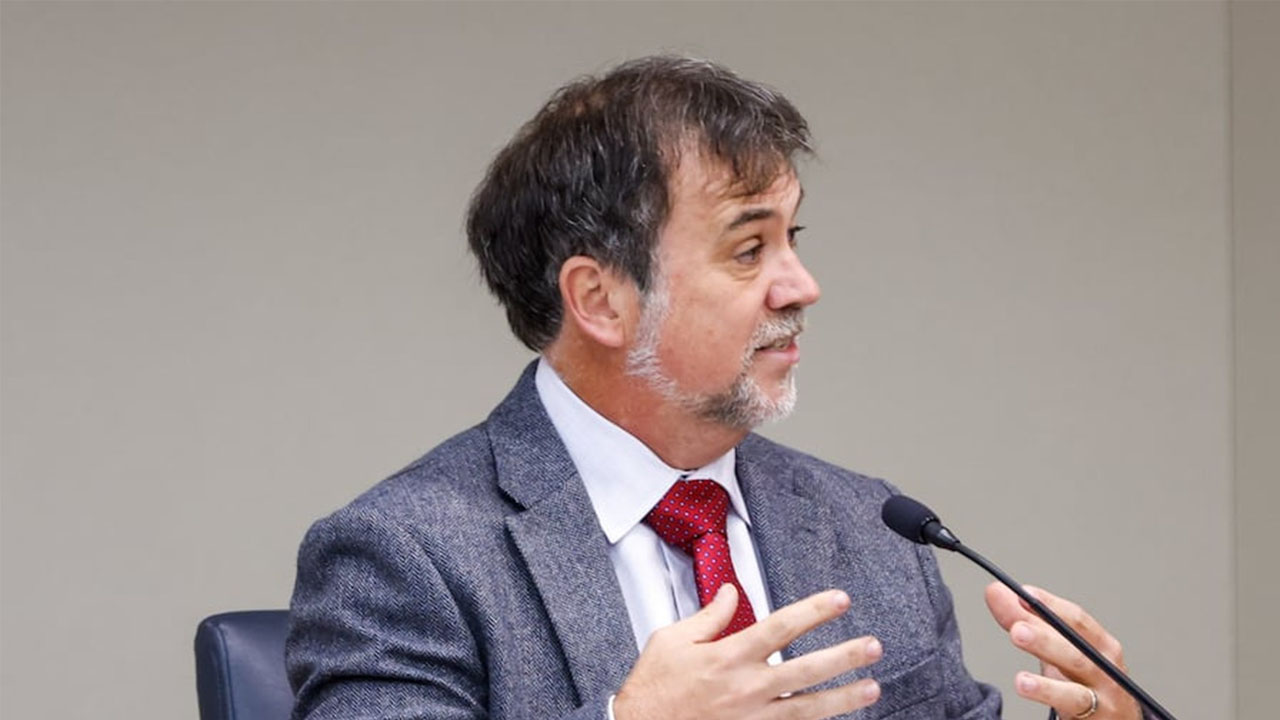
To that end, Pasco is expanding its gifted and advanced coursework offerings to begin in the fall. The goal, Legg said at a school board meeting in February, is to “push rigor, push students to rise to the top.”
The most potentially impactful part of the plan includes scheduling all high school juniors and seniors who have never taken accelerated courses into a dual enrollment course called Journey to Success. The course will be made available on each high school campus, in conjunction with Pasco-Hernando State College, with particular attention paid to teens with a grade-point average of 2.5 or higher.
The district also will add to its dual enrollment opportunities with the University of South Florida, offer the Cambridge Advanced International Certificate of Education, or AICE, Thinking Skills course as an elective at all high schools, and convert the Psychology 2 course into an Advanced Placement or AICE model.
At middle schools, the plan calls for continuing the effort begun this year to step up students’ movement through the math curriculum, with the goal of having every eighth grader complete algebra. At the elementary level, the district will place gifted and talented programs at four schools — Shady Hills, Connerton, Pasco and Longleaf.
One of the motivating factors behind the initiative is Pasco falling behind other districts in the percentage of high school students who earn an “acceleration point” in the state’s school grading model. Students get that point when they successfully complete an approved advanced course or earn an industry certification.
Nearly 60% of current Pasco seniors have not met that standard, a higher percentage than in other comparable districts.
“We need to do something strategic to impact the 2,500 students who haven’t done acceleration,” Legg said, suggesting it can demystify higher education and change the trajectory of their future success in college or the workforce.
The last time the district took such a step was in 2019, when it pushed the Cambridge “College Paper” language arts course into high schools for juniors. Officials said that effort had an effect at first, but has not carried forward as much as some had hoped.
Gulf High School junior Seth Downey, who is graduating this spring a year early, said he liked the idea of making sure students have more access to college-level classwork. Not everyone in high school knows what options exist, he noted.

Gulf High School junior Seth Downey
“I took honors courses but never AP or dual enrollment,” Downey said. “I wish I did. … It starts preparing you for your next step in life.”
Establishing an entry point for junior year makes sense, he added, because that’s when many teens finally figure out that education matters.
At the same time, he and others questioned the value of putting every junior and senior into Journey to Success.
“I think it should just be optional,” said Gulf High sophomore Elizabeth Wilton, who said she looked forward to taking the course.
Wilton said she had taken honors-level classes since middle school and recently began an Advanced Placement course, with an eye toward dual enrollment.
“I think it will really help me, and it will definitely take some of the pressure off when I go to college,” she said.
But she did not like the idea of having classmates who aren’t serious about their education disrupting the instruction that she and others would appreciate.

Gulf High School sophomore Ja’doir Green
“Some kids don’t take any AP or honors. They think it’s still middle school,” Gulf High sophomore Ja’doir Green said. “They want the easy way out. They don’t want to be pushed to do the harder stuff.”
Students who aren’t motivated can “ruin it” and “make it so people can’t focus,” Downey agreed.
Still, Green found there could be an upside to requiring the course.
“Sometimes kids don’t realize what they want unless they’re forced to do it,” she said.
Amy Mazurowksi, a Gulf High assistant principal, said she could see both sides of the equation. In discussing the concepts with her colleagues across the county, she said, she’s found a desire to offer a broad array of options for teens to find what inspires them to reach higher.
Gulf High has a strong International Baccalaureate program, but Journey to Success would be its first on-campus dual enrollment offering. For many students, getting to the college for dual enrollment has been an obstacle, Mazurowski said.
“We do try to push acceleration,” she said, mentioning that Gulf has seen participation in advanced courses triple since 2019.
Legg has long advocated to provide more opportunities to students who don’t formally qualify for gifted education, promoting proposals since he was a lawmaker more than a decade ago. Students who are exposed to college-level work in high school are more likely to complete some type of advanced learning, he said.
“I have the fundamental belief that all of our students possess some type of giftedness or academic talent,” Legg said. “This allows access in a meaningful way. … To me, this is a win all around.”